Factors to Consider When Choosing the Warmest Coat
Choosing the warmest coat requires considering several important factors. These aspects ensure the coat keeps you comfortable in different conditions.
Importance of Insulation Materials
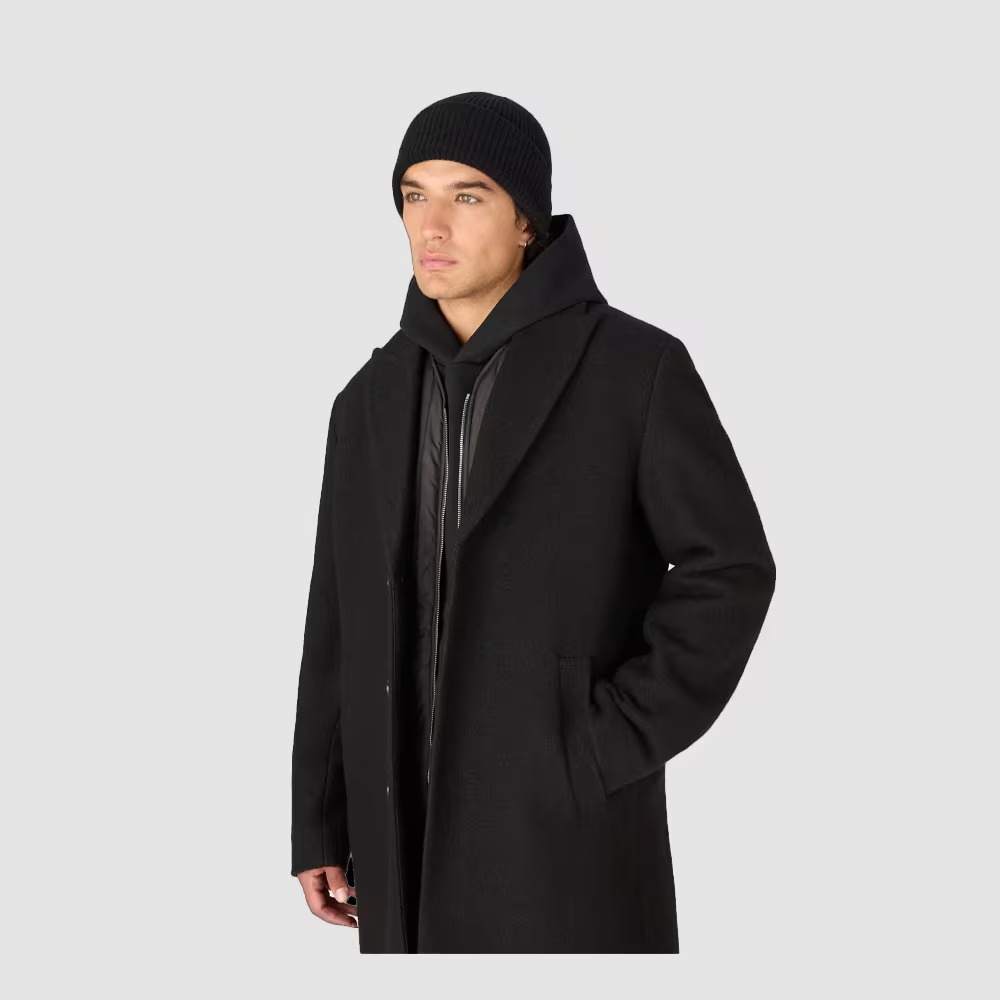
Insulation plays a vital role in warmth. Look for coats made with high-quality insulating materials. Down provides exceptional warmth and is lightweight, but may struggle in wet conditions. Synthetic insulation performs better in damp environments and is more affordable. Wool is naturally insulating and durable, making it ideal for cold weather. Choose a material suited to your needs to stay warm in the harshest conditions.
Weather and Climate Requirements
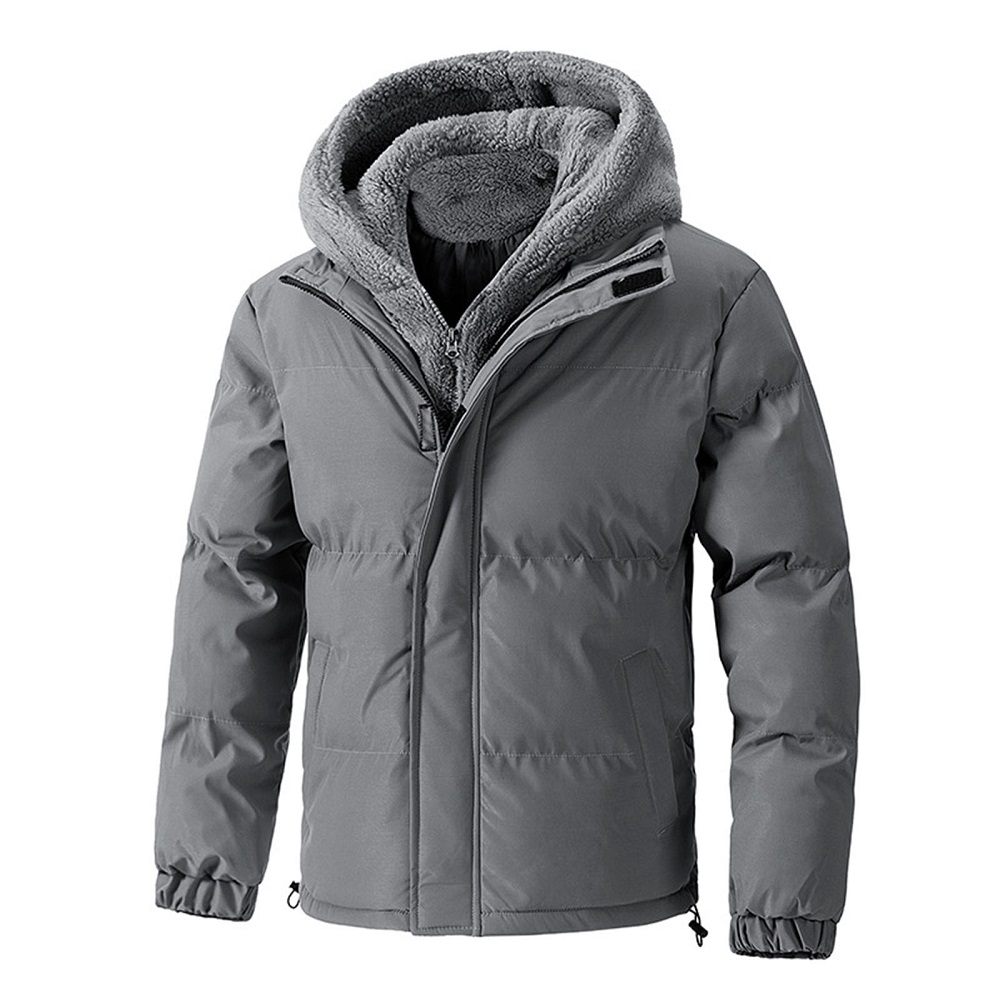
Consider your local weather conditions before choosing a coat. In milder climates, lighter insulation may suffice. Extreme cold weather demands heavily insulated coats like parkas or sleeping bag designs. Also, think about precipitation and wind. Coats with windproof and waterproof features shield against rain and snow. Match the coat’s features to your specific climate for the best warmth and protection.
Coat Length and Coverage
Coverage is essential for warmth. Longer coats provide better protection from cold air. Trench or full-length coats shield more of your body compared to shorter options. If you plan to spend hours outdoors, opt for a longer coat. Additionally, coats with high collars and extended sleeves help prevent heat escape.
Style and Fit Preferences
Don’t overlook style or fit when you pick a coat. A well-fitted coat traps heat effectively and increases comfort. Oversized coats may allow cold air to seep in. Choose styles that match your personality without compromising warmth. Adjustable features like waist belts or drawstrings provide a tailored fit. With a balanced focus on style and function, you can find a coat that meets all your preferences.
Top Warmest Coat Materials
Understanding coat materials is essential when choosing the warmest coat. Each material has unique properties, providing different levels of insulation, comfort, and durability. Whether it’s natural fibers or modern synthetics, selecting the right material will greatly impact how warm and cozy you feel during cold weather.
Down vs. Synthetic Insulation
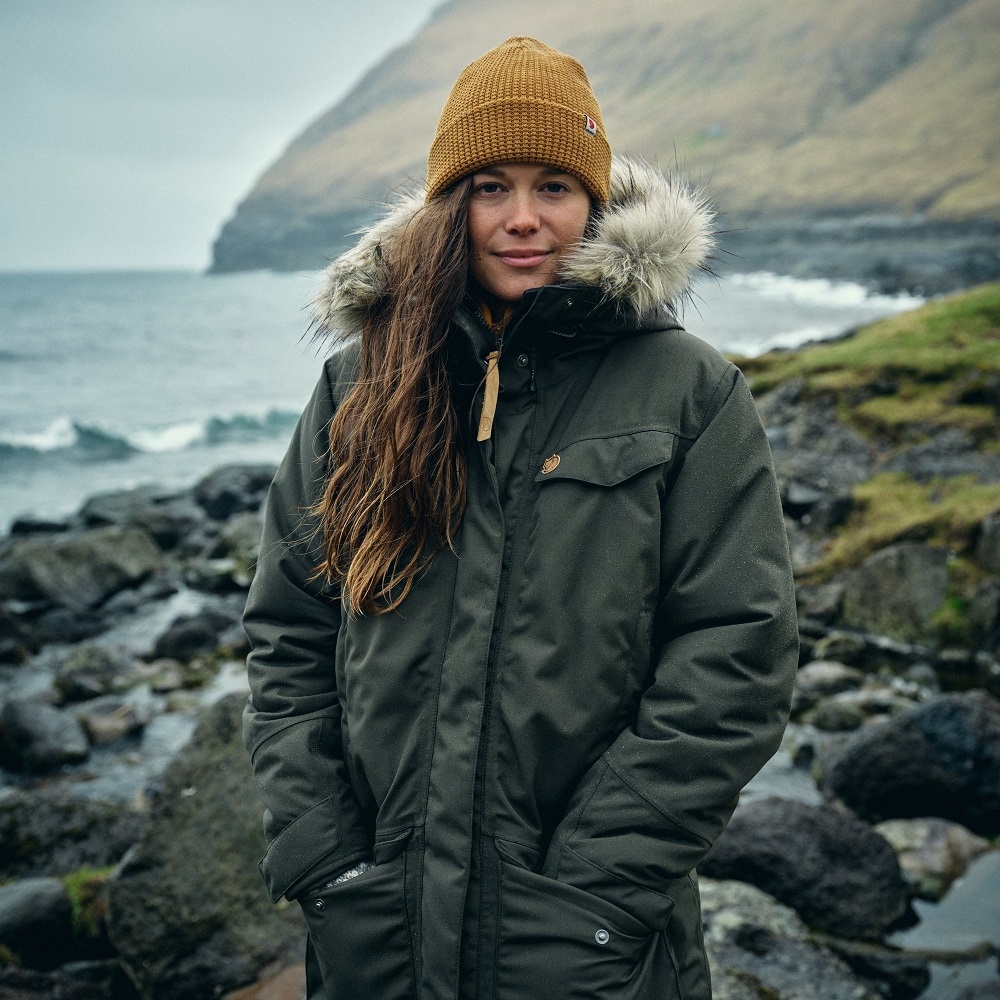
Down insulation is made from the fine feathers of geese or ducks. It offers excellent warmth-to-weight ratio and compressibility. However, down struggles to retain heat when wet, unless treated with water-resistant coatings. On the other hand, synthetic insulation is crafted from polyester fibers. It provides warmth even in damp conditions and is often more affordable. Synthetic insulation is also easier to maintain and hypoallergenic. Choose down for lightweight warmth in dry conditions and synthetic options in wet or humid climates.
Wool Coats and Their Benefits
Wool is a natural material famous for its insulation and durability. It traps heat while allowing breathability, making it ideal for winter wear. Wool coats provide consistent warmth even when damp and often come in stylish designs. They are also long-lasting and require minimal care. Opt for wool blends for better affordability and lighter weight without sacrificing warmth. This material is perfect for professional or casual winter attire that stands up to chilly weather.
Fleece and Other Layering Materials
Fleece is a lightweight, soft material often used in layering. It offers warmth without bulk and dries quickly when wet. Fleece-based layers are great for flexible warmth, especially in milder conditions or as mid-layers under heavier coats. Other layering materials like thermal or synthetic blends enhance warmth and comfort. Use these materials to customize your winter outfits for various activities and temperatures.
Best Warmest Coats for Extreme Cold Weather
When temperatures drop to extreme levels, you need coats designed specifically for harsh cold conditions. These coats combine advanced insulation, durable materials, and specialized designs to keep you warm and protected. Here are some of the best options to consider for freezing environments.
Parkas and Heavy-Duty Winter Coats
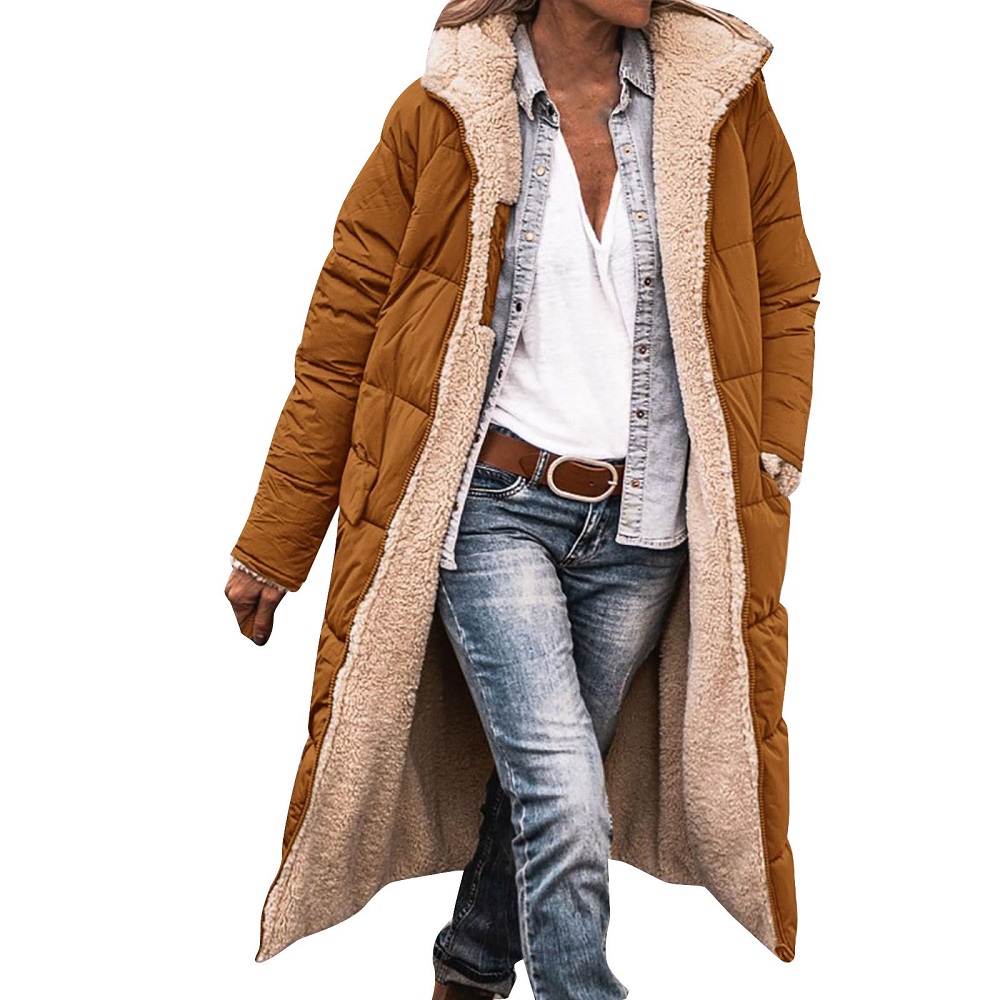
Parkas are excellent for extreme cold weather. They offer maximum insulation and full-body protection. Look for parkas with down or synthetic insulation for superior warmth. Heavy-duty winter coats often include features like windproof and waterproof fabrics. These coats ensure warmth and shielding from strong winds and snow. Adjustable hoods, extended lengths, and multiple layers enhance their ability to trap heat. Brands that focus on durability and quality provide reliable options for long-term use in freezing climates.
Ski Jackets Designed for Warmth
Ski jackets are made for rigorous cold-weather activities. They prioritize warmth along with mobility and breathability. Insulation materials such as down and synthetic fibers enhance heat retention in these jackets. Ski jackets often feature water-resistant exteriors and windproof properties. Additional features include snow skirts and underarm zippers for ventilation. For outdoor enthusiasts, these jackets combine comfort and practicality, making them great for active cold-weather wear.
Sleeping Bag Coats for Ultimate Cold Protection
Sleeping bag coats resemble wearable sleeping bags for extreme warmth. They are heavily insulated and longer in length, offering full-body coverage. These coats excel in arctic-like environments and for prolonged outdoor exposure. Designed for top-notch insulation, they include features like hoods with fur linings and heat-retention pockets. Sleeping bag coats are perfect for individuals seeking maximum warmth without compromise. Choose these for outdoor treks, expeditions, or icy adventures.
Budget-Friendly Options for Warm Winter Coats
Finding a warm coat that fits your budget is possible. You just need to know where to look. There are plenty of affordable options that balance warmth and cost.
Affordable Brands Offering Warm Coats
Several brands specialize in affordable, warm winter coats. Look for options from budget-friendly names such as Columbia, Uniqlo, and Lands’ End. These brands offer excellent insulation and functionality without a high price tag.
Columbia designs coats with synthetic insulation for superior warmth in cold weather. Uniqlo provides stylish and budget-conscious options, often using innovative insulating materials like HeatTech. Lands’ End offers durable wool blends and insulated parkas designed to tackle chilly temperatures.
Additionally, consider shopping at outlet stores or online clearance sections. These places often sell high-quality brands at discounted prices.
Tips for Finding Warmth Without Breaking the Bank
Finding the perfect warm coat within a budget requires smart shopping. Here are some tips:
- Shop During Sales Seasons: Look for holiday sales, end-of-season discounts, and Black Friday deals.
- Prioritize Essential Features: Focus on insulation, waterproofing, and coverage over luxury or trendy styles.
- Consider Second-Hand Options: Thrift stores or online platforms like eBay often sell lightly used warm coats.
- Explore Generic Brands: Generic labels offer competitive features at lower prices compared to designer names.
- Check Reviews Before Buying: Online reviews help ensure affordable options still provide adequate warmth.
With these strategies, you can secure a warm coat that fits both your budget and your needs. A little research guarantees warmth during cold weather without overspending.
Warmest Coat Features to Look For
When searching for the warmest coat, specific features can significantly enhance comfort and protection. These features ensure you stay warm, dry, and prepared for cold weather conditions.
Windproof and Waterproof Technologies
Windproof materials help block chilly winds from penetrating your coat. This keeps your body heat sealed inside, ensuring maximum warmth. Waterproof coats protect against rain and snow, keeping you dry and comfortable. Look for laminated fabrics, water-resistant coatings, or Gore-Tex technology. These features prevent moisture absorption while maintaining breathability. A mix of both windproof and waterproof properties ensures comprehensive weather protection.
Adjustable Hood, Cuffs, and Hem
Adjustable features add flexibility and improve fit. A hood with drawstrings or toggles offers better coverage in storms. It shields your face from wind and snow while trapping heat. Adjustable cuffs and hems help seal off cold air and retain warmth. Elastic or Velcro cuffs provide a snug fit around your wrists. Drawcord hems secure the bottom of the coat, further blocking drafts. These practical features make your coat adaptable to varying conditions.
Functional Pockets for Added Convenience
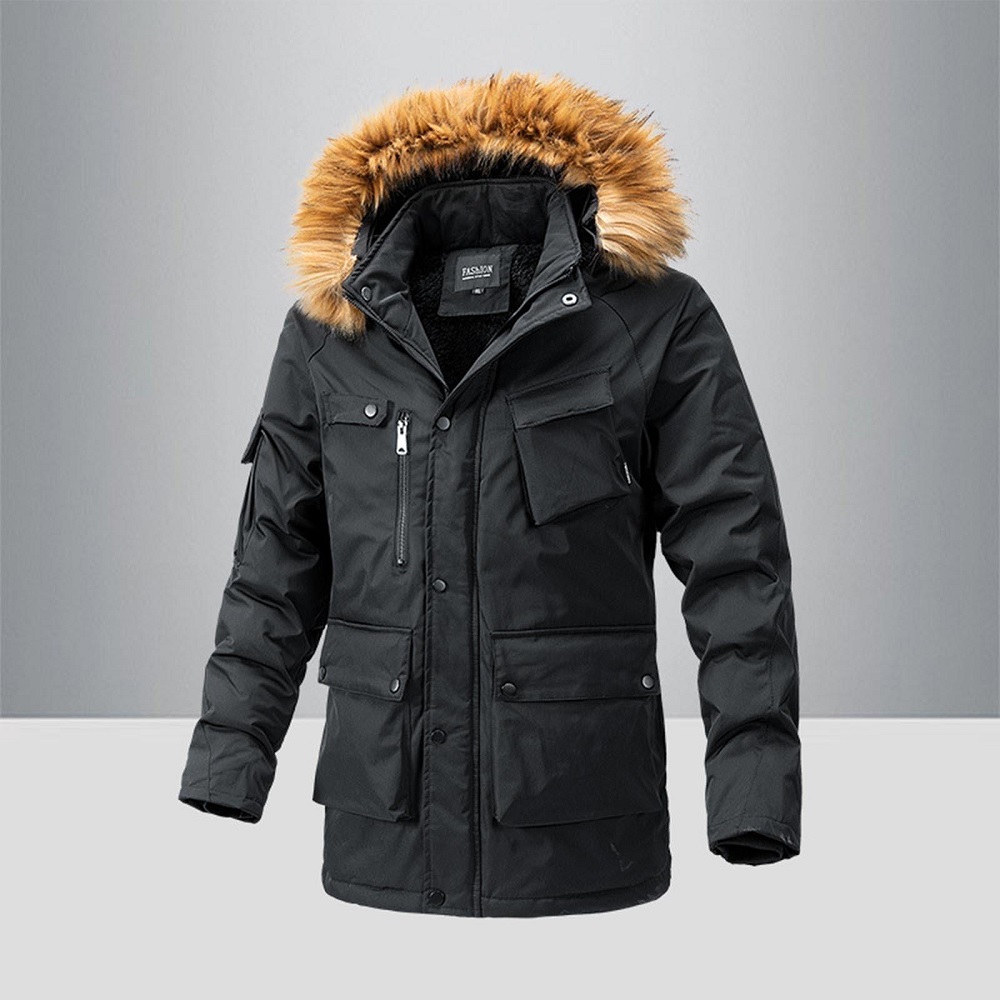
Functional pockets are more than just a bonus; they add utility and warmth. Insulated pockets can keep your hands warm during cold days. Look for coats with zippered or flap-covered pockets to protect personal items from rain or snow. Internal pockets provide secure storage for essentials like a phone, wallet, or gloves. Some coats even include specialized pockets for gadgets or ski passes. Prioritize coats with multiple pockets for convenience and added functionality.
By focusing on these features—windproof and waterproof technologies, adjustable parts, and functional pockets—you can find a warm and practical coat for cold weather. These elements ensure both comfort and performance in varying winter conditions.
How to Care for Your Warm Coat to Prolong Its Life
Proper care ensures your warmest coat lasts for years. Maintenance and storage are crucial.
Cleaning and Maintenance Tips
- Follow Care Labels: Start by checking the care label for specific instructions. It provides essential details.
- Spot Clean When Needed: Use a mild detergent and a damp cloth for small stains.
- Wash Carefully: Some coats are machine washable, while others require professional cleaning services.
- Use Mild Detergents: Avoid using harsh chemicals. Opt for detergents designed for delicate or specialty fabrics.
- Dry Properly: Air-dry your coat on a hanger to maintain its shape. Avoid direct sunlight or hot dryers.
- Restore Insulation: For down coats, fluff the insulation in a dryer with clean tennis balls.
- Repair Damages Promptly: Fix small tears or loose threads early to prevent further damage.
Proper Storage for Seasonal Use
- Clean Before Storing: Always clean your coat before seasonal storage to prevent odors and stains.
- Store in a Cool, Dry Place: Keep your coat in a well-ventilated area away from moisture and heat.
- Use a Garment Bag: Protect your coat from dust and insects by using a breathable fabric garment bag.
- Hang or Fold Carefully: Hang long coats on a sturdy hanger or fold them neatly to save space.
- Avoid Compression: Do not store coats in vacuum-sealed bags as it can damage insulation.
- Add Moth Repellents: Use cedar blocks or mothballs to keep pests away.
- Inspect Occasionally: Check your stored coat periodically to ensure it remains in good condition.
Taking these steps will prolong the life of your warmest coat. Proper care ensures it stays cozy for many winters to come.
Maintaining Your Warm Coat
Cleaning Techniques
Maintaining the cleanliness of your warmest coat is essential for preserving both appearance and functionality. Follow the cleaning instructions provided by the manufacturer closely, as different fabrics may require specific care. For down coats, using a front-loading washing machine and a gentle detergent is advisable to maintain the loft. Synthetic coats are usually easier to wash but should also be treated with care. Regular cleaning can prevent the accumulation of dirt and oils that could affect insulation and overall comfort.
Proper Storage
When the cold season ends, proper storage is vital for extending the life of your coat. Start by ensuring that the coat is clean, as dirt can cause damage over time. Store it in a breathable garment bag or on a hanger in a cool, dry place. Avoid packing it tightly in a closet, as this can compress insulation and alter the fit. Properly storing your coat ensures that it remains ready for action when the cold returns.
The Role of Color and Style
Choosing the Right Color
While functionality is essential, the style and color of your coat also matter. Black and navy coats are classic choices that easily pair with various outfits. However, don’t shy away from bold colors such as red, green, or even patterned fabrics that allow for a personal style statement. Bright colors can also enhance visibility in low light conditions, which is an important safety consideration in winter weather.
Matching with Outfits
A warm coat can elevate your style when paired properly with your outfits. Consider how the coat fits into your overall wardrobe and how it complements your daily attire. For casual wear, a puffer coat can be styled with jeans and combat boots, whereas a more tailored parka can be worn over dress pants and oxford shoes for a smart-casual look. Balancing style and functionality will boost your confidence and make a strong impression.
Conclusion: Finding Your Perfect Warm Coat
In conclusion, investing in a high-quality warmest coat is essential for anyone facing cold weather conditions. Understanding the various types, insulation options, and styles helps you make an informed decision that suits your lifestyle and preferences. Whether you choose a down jacket, a synthetic puffer, or a wool coat, prioritize factors such as fit, insulation, and care. Layering adds versatility and comfort, ensuring you can adapt to varying temperatures.
Taking the time to select and maintain the right warmest coat will enhance your winter experience, keeping you stylish and comfortable. Embrace the beauty of winter with the perfect outerwear that allows you to enjoy the season, regardless of the weather. With the right coat and thoughtful preparation, you can navigate the cold confidently and stylishly, ready for all the adventures that await you.